
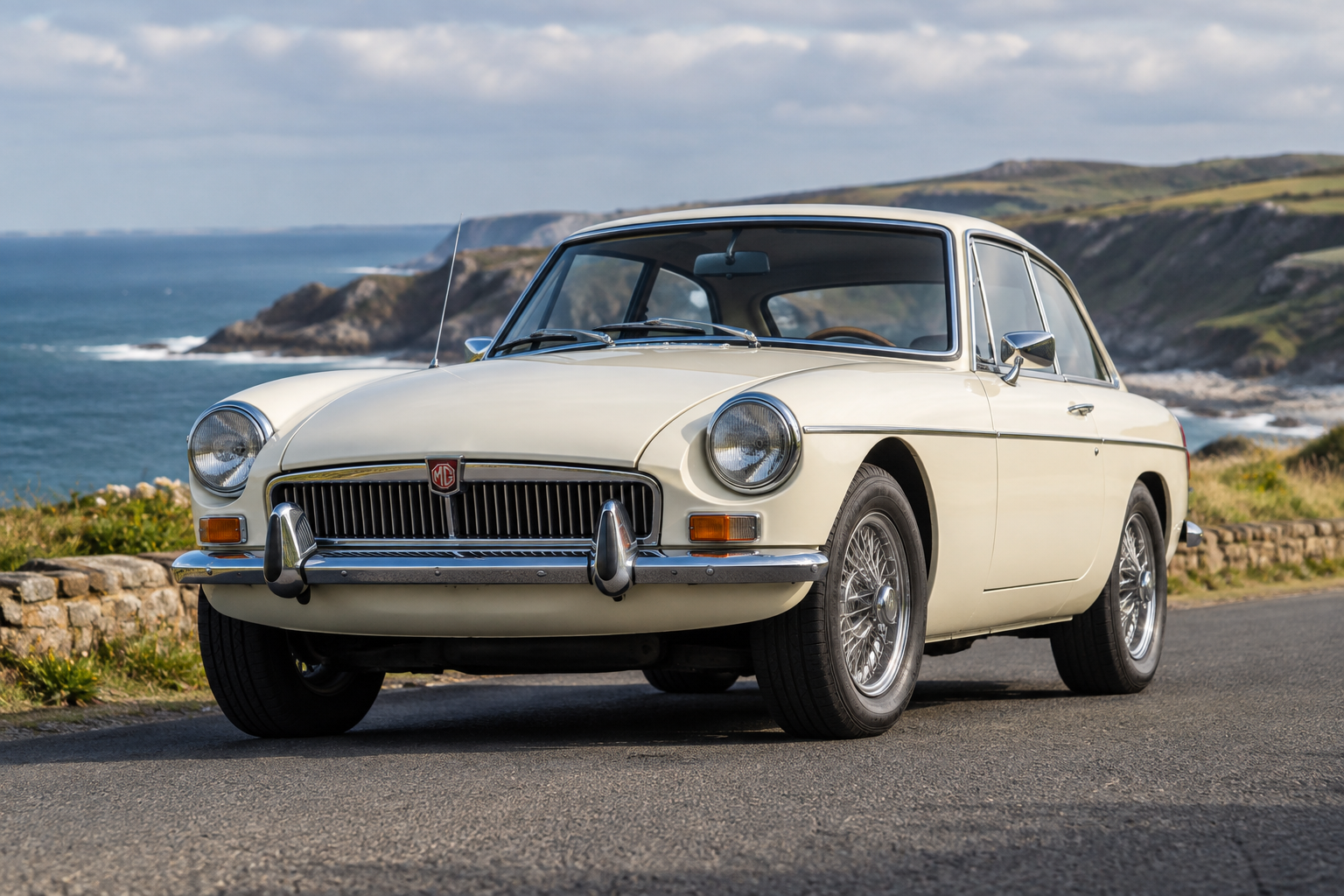
Overdrive is one of the most useful features fitted to many MGBs. At the press of a switch, it can provide a higher overall gearing for relaxed cruising without requiring a completely different gearbox. On a suitable road, an MGB with a correctly operating overdrive feels quieter, less busy and more comfortable at sustained speed.
It is also a system that benefits from understanding. An overdrive is not simply an extra gear selected by the driver. It is a hydraulically operated unit attached to the rear of the gearbox, controlled by electrical switches and solenoids. Its operation depends on the condition of the gearbox oil, the electrical supply, hydraulic pressure and the internal components of the unit.
This guide explains the basic principles, how to use an MGB overdrive considerately and what to look for when inspecting or maintaining a car.
What does MGB overdrive do?
In normal direct drive, the gearbox sends power to the propeller shaft at the ratio selected by the driver. When overdrive is engaged, an epicyclic gearset within the overdrive unit changes the relationship between gearbox input and output. The result is a reduction in engine speed for a given road speed.
Depending on the gearbox and overdrive specification, the system may be available in third gear, fourth gear, or both. The exact arrangement varies between MGB models and gearboxes, so it is sensible to confirm how a particular car is configured rather than assuming every switch operates in the same way.
Overdrive should be viewed as an additional ratio for appropriate driving conditions, not as a replacement for selecting the correct standard gear. It is particularly useful when the car is already moving steadily and the engine would benefit from a lower cruising speed.
How the system is operated
Many MGBs use a switch on or near the gear lever. Moving the switch sends an electrical signal through the relevant gearbox inhibitor switch and to the overdrive solenoid. The solenoid then operates a hydraulic valve, allowing oil pressure to move the internal mechanism into or out of overdrive.
The gearbox inhibitor switch is an important part of the safety and control system. It is intended to permit overdrive only in selected gears. If adjustment, wiring or switch contacts are incorrect, the overdrive may fail to engage, disengage unexpectedly or operate in a gear where it should not.
Some cars have been modified during their lives. A non-original switch, altered wiring or replacement gearbox can mean that the controls do not behave exactly as expected. Before driving an unfamiliar MGB at speed, establish which gears operate the overdrive and test the system in a safe, controlled situation.
Using overdrive properly
Overdrive is normally selected after the car is settled in the appropriate gear. A brief lift of the throttle as it engages can make the change smoother, although the exact technique depends on the car and the condition of its unit. Avoid treating the switch like a modern automatic transmission control; deliberate, progressive inputs are usually kinder to an older drivetrain.
When accelerating or climbing a hill, it may be preferable to disengage overdrive and return to direct drive. The lower gearing can give the engine a more useful operating range and reduce the temptation to press the accelerator heavily in an unnecessarily high ratio.
On a descent, do not assume that overdrive provides the same engine-braking effect as a standard gear. Drivers should choose a suitable gear for the road, weather and gradient, and remain in full control of the car rather than relying on the overdrive alone.
It is also good practice to switch overdrive off when it is not needed, particularly before changing gear or manoeuvring at low speed. If the system disengages when the switch is moved, allow it to complete the change before selecting another ratio.
Symptoms of an overdrive problem
A fault may be electrical, hydraulic or mechanical, and the symptoms can overlap. A methodical diagnosis is therefore more useful than immediately replacing a single component.
- No engagement: The overdrive does not operate at all. Possible causes include a blown fuse, poor earth, damaged wiring, a faulty switch, an inhibitor switch problem, a failed solenoid or insufficient hydraulic pressure.
- Intermittent operation: If it works sometimes, inspect connections, switches and wiring before assuming that the internal unit has failed. Vibration and age can affect terminals and contacts.
- Slow engagement: A noticeable delay may point towards an oil-level issue, restricted filtration, worn hydraulic components or a problem with the solenoid or valve system.
- Slipping: If engine speed rises without a corresponding increase in road speed while overdrive is engaged, the unit may not be holding correctly. Continued use under these conditions can worsen wear.
- Failure to disengage: This should be treated seriously. Do not continue driving at speed until the control circuit and hydraulic mechanism have been checked.
- Noise or harsh operation: New noises, a pronounced clunk or vibration may indicate wear within the overdrive, although drivetrain mounts, propshaft components and the gearbox itself should also be considered.
A dashboard warning lamp, where fitted, can show that the electrical command has been sent, but it does not prove that the hydraulic and mechanical parts have completed the change. A car can therefore appear to have an electrical fault when the real problem lies inside the unit, or vice versa.
Routine checks and servicing
The most important routine requirement is using the correct lubricant at the correct level for the gearbox and overdrive fitted to the car. MGB specifications can vary, and some lubricants that are suitable for modern vehicles may not be appropriate for an older gearbox or overdrive. Consult the relevant workshop information or ask a specialist before changing the oil.
Check for leaks around the gearbox, overdrive casing, seals and drain points. A small damp area should not be ignored simply because the car still operates normally. A falling oil level can eventually affect lubrication and hydraulic performance.
During servicing, inspect the electrical connections and the wiring near the gearbox. Look for loose terminals, damaged insulation, corrosion and signs that the harness has been routed close to moving or hot components. Also check that the switch on the gear lever, if fitted, feels secure and returns properly.
Filter and seal maintenance depends on the particular overdrive unit. Cleaning or replacing accessible filters can form part of a proper service, but removing covers and adjusting internal components requires care. Incorrect assembly or adjustment can create further faults, so this is an area where specialist knowledge is valuable.
Diagnosing a fault logically
Begin with the simplest checks. Confirm the fuse, inspect the relevant wiring and test the switch. Then check whether the inhibitor switch is operating in the correct gears. A multimeter can help establish whether electrical continuity is present, but tests should be carried out carefully and with the car safely supported if access underneath is required.
Never rely on a jack alone when working beneath an MGB. Use suitable axle stands on a firm, level surface, apply the handbrake where appropriate and take precautions against the car moving. If the engine needs to be running for a test, consider whether the test can be performed without rotating components exposed.
If the electrical supply reaches the solenoid but the overdrive does not engage, the next stage may involve checking solenoid operation, hydraulic pressure and the condition of the valve and internal components. These tests are best approached with the correct technical information and tools. Repeatedly forcing the switch or driving on while the unit slips is unlikely to improve matters.
Overdrive during an MGB restoration
When restoring an MGB, it is worth deciding early whether the existing overdrive is to be retained, rebuilt or replaced with a suitable unit. An overdrive gearbox can be a valuable part of the car's character, but originality and usability need to be considered together.
Before dismantling, record the gearbox identification, control arrangement and wiring. Photographing brackets, connectors and cable routes can save time during reassembly. The unit should then be assessed for leaks, wear, damaged threads and evidence of previous repairs.
A rebuild should not be based solely on replacing the most obvious seal. Internal clearances, clutch components, bearings, hydraulic parts and the solenoid may all require inspection. The correct extent of work depends on the findings, intended use and condition of the rest of the drivetrain.
For owners considering a more comprehensive project, the MGB rebuild specification provides a useful point of reference when discussing the desired outcome with a specialist. If you need advice about a particular car or project, you can also contact California Classics to discuss the next step.
What to check when viewing an MGB
When inspecting a car advertised with overdrive, ask the owner which gears operate it and whether it has been used recently. During a road test, allow the car to warm up, select the appropriate gear and engage the system at a steady speed. Listen for unusual noises and note whether engagement and disengagement are clean and predictable.
Check for signs of leakage beneath the gearbox and look at the condition of wiring around the transmission tunnel. A non-working overdrive is not automatically a reason to reject an otherwise sound MGB, but the likely repair should be reflected in your assessment of the car.
It can also be helpful to compare the specification and presentation of different cars before making a decision. Current examples can be viewed through the current stock, while sold cars may offer additional background when researching previous examples and specifications.
A useful feature when properly understood
An MGB overdrive rewards sympathetic use and regular attention. Keep the lubricant correct, investigate leaks promptly, maintain the electrical controls and avoid continuing to drive when the unit is slipping or refusing to disengage. Most importantly, treat the overdrive as part of the complete drivetrain rather than an isolated switch.
With sensible maintenance and a careful driving technique, it can make an MGB more relaxed on longer journeys while retaining the involvement that makes these cars enjoyable. Understanding how it works is the first step towards preserving that benefit.